

Pillar page
WhatsApp Business API for Malaysian marketers: a strategic guide
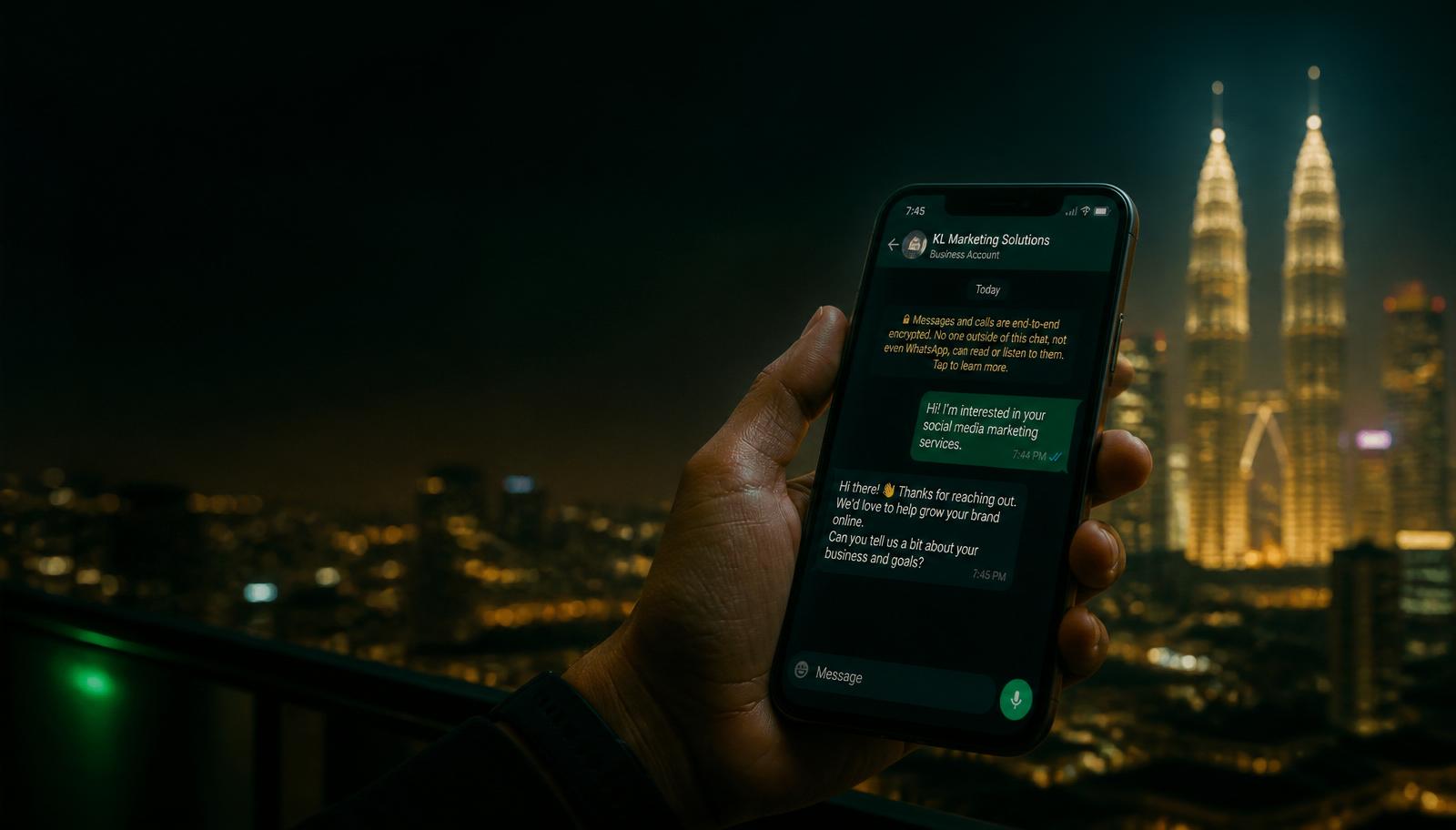
WhatsApp is the default messaging channel in Malaysia, with adoption above 90 percent of internet users. The Business API turns that reach into a marketing and service channel, but it has its own pricing model, template rules, and operational quirks that often surprise teams used to email.
Why WhatsApp matters more in Malaysia than almost anywhere else
Malaysian consumers expect to message businesses the way they message friends. Open rates for transactional WhatsApp messages routinely exceed 80 percent, and click-through rates on well-designed campaigns can be five to ten times email benchmarks. That reach is the upside. The downside is that abuse, opt-in violations, and bad templates damage trust quickly.

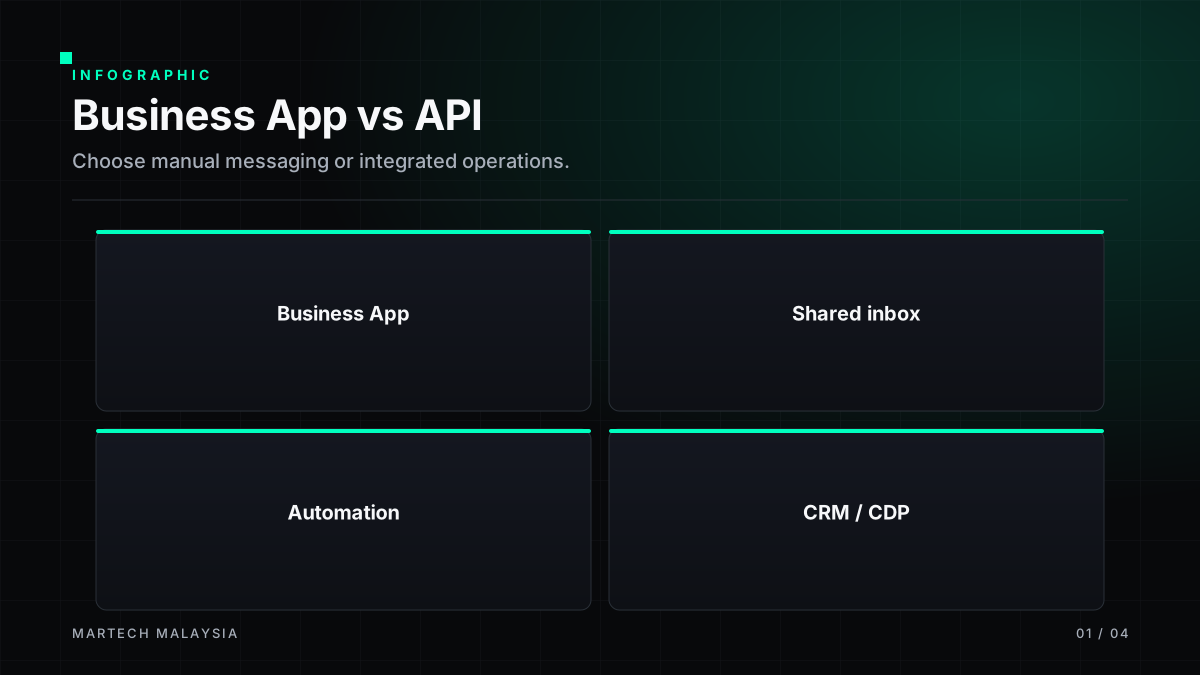
WhatsApp Business App vs Business Platform (API)
Most Malaysian SMEs outgrow the Business App once they pass roughly 50 conversations a day or once they need shared inbox, segmentation, or campaigns.
How WhatsApp conversation pricing works
Meta moved to a per-conversation pricing model that bills based on conversation category, not message count. Each 24-hour conversation window is billed once and supports unlimited messages within it.
| Category | When it applies | Typical use |
|---|---|---|
| Utility | Triggered by a user action or status update | Order updates, account alerts |
| Authentication | One-time passcodes and login | 2FA, login OTP |
| Marketing | Promotions, offers, announcements | Sales, product launches |
| Service | Initiated by the user within 24 hours | Customer support replies |
Marketing conversations are the most expensive category. Service conversations initiated by the user are typically the cheapest. Designing flows that encourage users to message first can materially reduce cost.

Templates: the gate to outbound messaging
Any business-initiated message outside a 24-hour service window must use an approved template. Templates are reviewed for policy compliance, language, and structure. Rejected templates delay launches; bad templates damage your quality rating and increase per-message cost.
- Write templates that match a single, specific purpose
- Personalize variables sparingly. Use them for names, order IDs, dates, not for clever copy
- Avoid promotional language in utility and authentication templates
- Submit Bahasa Malaysia and English versions separately when needed
- Keep a versioned template library so changes do not break running journeys
Opt-in: the only thing that protects your sender quality
WhatsApp enforces opt-in more strictly than email. Users can block, mute, and report you with one tap, and Meta downgrades your sender quality based on those signals. Once quality drops, message throughput is throttled and template approvals slow down.
- Capture opt-in at the point of value, not at the bottom of a form
- Explicitly mention WhatsApp and the kinds of messages users will receive
- Store opt-in source and timestamp at the profile level
- Honor opt-out within minutes, including across automation

Useful campaign patterns for Malaysian brands
Integrating WhatsApp into your stack
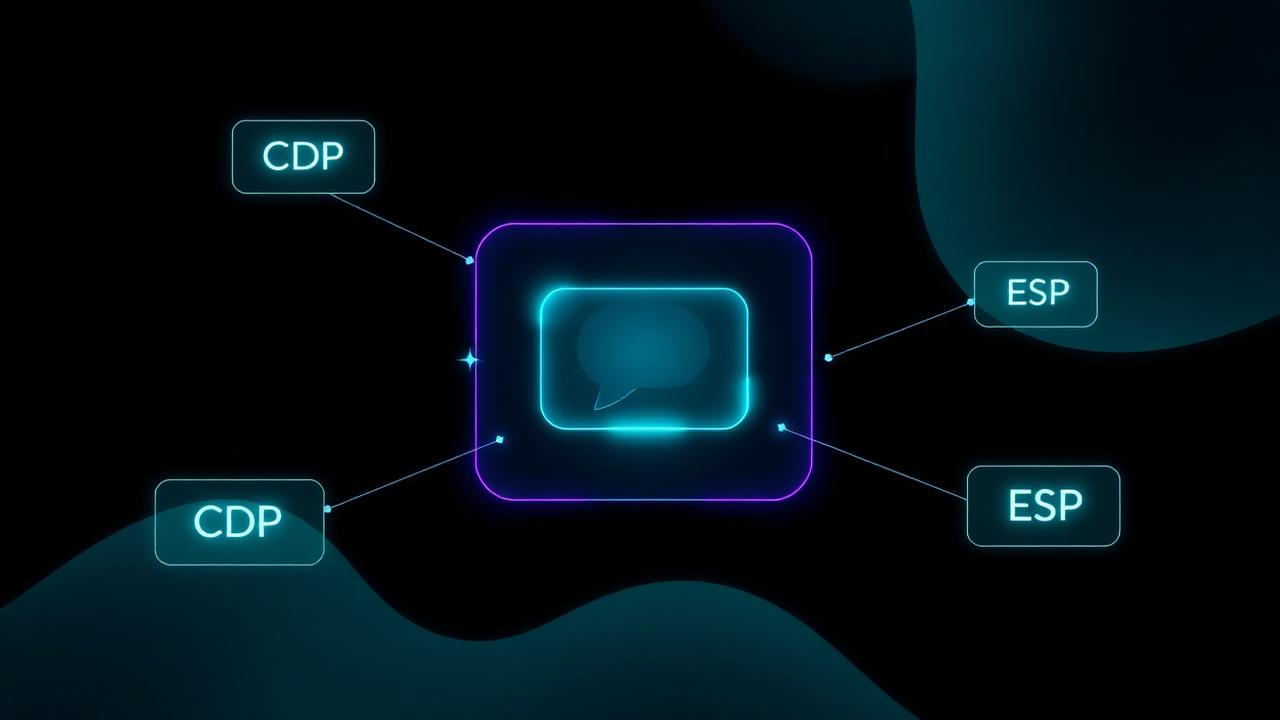
WhatsApp works best when it is just another channel in your CDP or lifecycle tool. Treat it like email or push: a templated send tied to events and segments, governed by consent, measured against revenue.
- Use a BSP that has a clean REST API and webhook support
- Send events from your product back to your CDP so journeys can branch on behavior
- Mirror WhatsApp engagement back into the profile for segmentation
- Avoid running WhatsApp as a separate silo controlled by support alone
Measurement that goes beyond delivered
Delivery rates approach 100 percent, so they are not a useful KPI. Focus on read rate, conversation conversion rate, cost per conversation, and revenue per conversation, segmented by template and audience.
| Metric | Why it matters |
|---|---|
| Read rate | Sender quality and template relevance |
| Reply rate | Whether the message starts a real conversation |
| Cost per conversation | Bill efficiency across categories |
| Conversion rate | Whether the conversation drives action |
| Block and report rate | Early warning for quality issues |
Common mistakes that hurt Malaysian programs
- Buying contact lists and blasting marketing templates
- Mixing utility and promotional content inside one template
- Letting customer service own outbound marketing flows
- Ignoring quality rating warnings until throughput is throttled
- Treating WhatsApp as a free channel because it feels personal
Frequently asked questions
Do I have to use a BSP?
No, you can connect to Meta Cloud API directly, but most growing teams in Malaysia find a BSP easier for templates, inbox, and analytics.
Can I send marketing without explicit opt-in?
No. Meta and PDPA both require explicit opt-in for marketing. Sending without it risks suspension and regulatory exposure.
How does WhatsApp pricing compare to email?
Email is cheaper per message but has much lower engagement. WhatsApp wins on revenue per message in most lifecycle scenarios when used with discipline.
Can I run WhatsApp from a CDP?
Yes if your CDP integrates with a BSP. Iterable, Braze, and Salesforce Marketing Cloud all support WhatsApp as a native channel.
Where to go next
WhatsApp rewards restraint. The brands that win are not the ones sending the most messages. They are the ones that earn the right to message at all.
If you want a second opinion on your setup, reach out to cann@martechmalaysia.com or book a diagnostic.
Sources & further reading
- Meta. WhatsApp Cloud API developer documentation.
- Meta. WhatsApp Business Platform conversation-based pricing.
- Meta. WhatsApp Business Messaging Policy.
- Personal Data Protection Department, Malaysia. PDPA and direct-marketing guidance.
- MarTech Malaysia. PDPA-compliant forms.
Meta pricing and policy verified against official documentation as at 17 July 2026; conversation-based pricing changes periodically.